



Annapurna Circuit Trek Overview & Highlights
Annapurna Circuit Trek, also known as the Thorong La Pass trek, is one of the world’s most popular hiking trails. Guidebooks like Lonely Planet have been continuously recommending Annapurna Circuit Trek (Around Annapurna Trek) as one of the best trekking and hiking trails to explore. Every year, it welcomes thousands of trekkers from around the globe to explore the beauty of the Annapurna Himalayas, local culture, and the diverse, amazing landscape.

Enjoy the spectacular mountain scenery of the Annapurna Circuit
Annapurna circuit trek is a great opportunity to see the stunning panoramic views of iconic Annapurna Himalayan peaks.Peaks likeMt Manaslu 8,163 m (26,781 ft), Annapurna II 7,940 m (26,049 ft), Annapurna III 7,555 m (24,786 ft), Annapurna IV 7,525 m (24,688 ft), Gangapurna 7,455 metres (24,459 ft), and Tilicho 7,134 m (23,405 ft), Khangsar Kang 7 485 m (24.557 ft), Chulu West 6,419 m (21,055 ft), Chulu East 6,584 m (21, 601 ft), Thorong la peak 5,416 m (17,769 ft) area the peaks which you can see before Thorong la pass and Mt Dhulagiri 8,167 m (26,795 ft), Nilgiri North (7061 m), Nilgiri Central (6940 m) and Nilgiri South (6839 m), Dhampus peak, Tukuche peaks many others after the Thorong la pass. You can enjoy the splendid panoramic views of the Annapurna and Dhulagiri Range together from the poon hill
Witness the rapid change of the most diversified landscapes.
On the Annapurna circuit trek, trekkers can see the rapid change in the landscapes. In the lowland areas, you can see rice fields, corn fields and sub-tropical forest, and once you hike for about 2-3 days, you will reach the Alpine areas and above that, you can see the dry moraine himalayan desert with the high snowcapped peaks. This drastic change occurs within 50-60 Km, which is very rare

Crossing the challenging Thorong La Pass (5416 m).
Thorong La Pass, at 5,416 meters (17,669 feet), is the ultimate goal and a pretty tough challenge for trekkers for the Annapurna Circuit trek. This high-altitude pass links the Manang and Mustang valleys. Once you cross the Thorong La, you will go to one of the unique dry landscapes of the Kali Gandaki Valley, then to the deepest gorge (Kali Gandaki Gorge) in the world, located in Dana Village, before reaching Pokhara to finish the trip. Trekkers can choose to stay overnight at either Thorong Phedi or High Camp. While Thorong Phedi offers easier sleeping conditions, it requires a longer and more strenuous crossing day. High Camp, though potentially less comfortable for sleeping, makes for a shorter and generally easier ascent to the pass.

Witness the Flora and Fauna and know about the local culture
The Annapurna Circuit trek trail lies inside Nepal’s largest protected area, the Annapurna Conservation Area (ACCAP), and spans diverse ecosystems and landscapes across Lamjung, Manang, Mustang, and Kaski districts. The national parks consist of various oak, pine, various rhododendron species, junipers, and other high-altitude vegetation. This conservation area is also home to a diverse range of wildlife, including langurs, Assamese monkeys, black bears, deer, barking deer, and many other captivating species. The Trek is also an opportunity to enjoy the local cultures, religion, traditions and local lifestyles. You can interact with the locals and learn about the locals
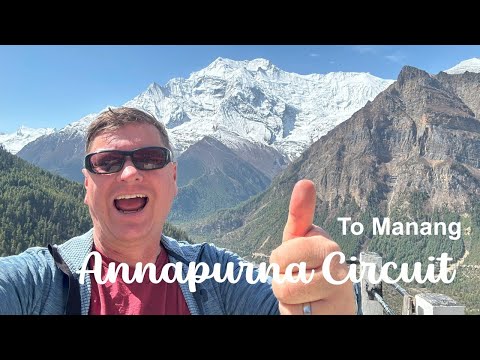
Key Takeaways
- Annapurna Circuit trek, also known as a Round Annapurna or Thorong La pass trek, which circles the Whole Annapurna Range clockwise via Thorong La pass 5416 Meters
- Annapurna Circuit trek is a total 2-week trek plan, but it can be done even in 10 days if you have a 2-week holiday in Total
- On Annapurna circuit trek, you can see 3 mountains (Mt Manaslu, Mt Annapurna and Mt Dhulagiri) which are above 8000 Meters plus many other peaks.
- The landscapes are very diversified, from very low-lands sub tropical to Alpine can be felt during this trek.
- The Annapurna Circuit trek goes via Marshyandri River and crosses the Thorong La and arrives at Kali Gandaki Valley, where trekkers can encounter different types of people and cultures.
- This is the most popular trekking trails in the world
What to see annapurna circuit trek (highlights)
There are many things to see on the Annapurna Circuit trek, including glacial lakes, traditional villages, snow-capped peaks, temples, diversified landscapes and many other things.
Scenic drive to Ngadi or Dharapani:
Enjoy a scenic drive to Ngadi or Dharapni. When you drive through the Prithivi Highway, you will see picturesque villages, some towns as well as the Trisuli and Marshyandri rivers. Depending on your choice, you continue to drive up to Dharapani or Ngadi to start the trek.Local Ethnic groups of Marsyandri River Valley:
On the Annapurna loop trek, you can see the different ethnic groups and observe their unique cultures and lifestyles. In the lower region of the trek, Brahmins, Chhetris, and Dalits live, and in the Higher area, the Gurung, Magar, Tamang, Sherpa, and Manang people, as well as some Tibetan people on the Mustang side.Flora and fauna of the Annapurna Conservation Area:
Trekkers trek inside the Annapurna Conservation Area to the Annapurna Thorong la Pass. The conservation area has a wide range of flora such as Oak, Laurel, Pine, Spruce, Hemlock, Juniper and many more likewise for fauna here we get Snow leopards, musk deer, Himalayan tahr, red fox, brown bears, lynx, Himalayan serow, blue sheep, Himalayan marmot, woolly hare, Asian black bear, dhole, Assam macaque, Himalayan goral, black-lipped pika, different birds and different types butterfliesDiverse Maryandri River valley:
Annapurna round trek is done via the bank of the Maryandri River valley, and the valley is very deep and green in a lower area, while above Pisang it turns wide and much grey that is because of fewer trees.Breathtaking mountain views:
You will see the marvellous glance of the Annapurna II 7,940 m (26,049 ft), Annapurna III 7,555 metres (24,787 ft), Annapurna IV 7,525 meters (24,688 feet), Gangapurna 7,455 metres (24,459 ft), Khangsar Kang, Tilicho peak and many moreIce Lake:
Ice Lake is also known as “Khicho Lake”, located at an altitude of 4600 Meters above the Braga Village, which is a very scenic and tough day hike from ManagTilicho lake:
Tilicho Lake is one of the highest-elevated lakes in the world. Located at the impressive elevation of 4,949 meters is a most scenic and diversified landscape detour from the main Annapurna Circuit trekking trails, which may take 3-4 days more on your trip.Pisang:
The village offers the perfect glimpse of the Annapurna II, Annapurna III, Annapurna IV, Gangapurna and Tilicho Peak.Manang:
A small cultural village for acclimatisation and exploration around the village from where you can go to Ice Lake and Gangapurna Lake explorations. Here we have a Health check-up centre with international doctors.Jomsom:
The district headquarters of Mustang District offers an alluring view of Mt Nilgiri and Mt DhaulagiriTatopani:
A village lies on the Annapurna Round trek where trekkers can have natural hot springs baths, which have some natural mineral therapy.Braga and Upper pisang Monastry:
Both monasteries are very impressive, and Braga monastery is pretty old, where you can see daily rituals, pooja in the evening and in the morning.Thorong la pass:
One of the world’s highest passes, 5416 meters in the world offers the most marvellous views of peaks such as Thorong peaks, Yak Kawang, and Dhampus Peak, and many more, which link two valleys (Manag and Mustang together). Trekkers pass the Thorong La and enter into Mustang before they reach Pokhara.Muktinath temple
One of the greatest religious sites for both Hindu and Buddhist devotees. The temple, located at an altitude of 3800 meters, is one of the major pilgrimage sites for Hindus from Nepal and India.Poon Hill:
A best viewpoint to see the superb mountain view entire Annapurna and Dhaulagiri Range from where you can see Dhaulagiri 8,167 m (26,795 ft), Annapurna I 8,091 m (26,545 ft), Annapurna South 7,219 m (23,684 ft), Machapuchare 6,993 m (22,943 ft), Annapurna II 7,937 m (26,040 ft), Annapurna III 7,555 m (24,787 ft), Gangapurna 7,455 m (24,459 ft), Tukuche peak, 6,920 m (22,700 ft), Dhampus peak 6,012 m (19,724 ft), Hiunchuli 6,441 m (21,132 ft), Gurja Himal 7,193 m (23,599 ft), Nilgiri Himal 7,061 m (23,166 ft)

Facts | Figure |
|---|---|
| Duration: | 14 Days |
| Max. elevation: | 5416 M / 17,769 Feet (Thorong La Pass) |
| Elevation gain/loss: | Approximately 10,100 m (33,136 ft) |
| Length of Trekking trail distance: | Approx 131 kilometres (81 miles) to 230 km (145 miles) depending on route variations |
| Start: | Dharapani |
| Ending point: | Pokhara |
| Difficulty: | Moderate-to-challenging |
| Best Time: | Spring (March–May) and Autumn (Oct–Nov) |
| Permits: | TIMS and ACAP (Annapurna Conservation Area Permit) |
| Accommodation: | Teahouse (Mountain Lodges) |
| Notable Highlights: | Tilicho Lake (4,919m), Kali Gandaki Gorge (Deepest in the world), and Muktinath Temple |
| Landscape: | Transitions from lush subtropical forests to high-altitude alpine desert |
| Average daily walking hours: | 5–7 hours |

14-Day Annapurna Circuit Trek Outline Itinerary
| DAYS | ITINERARY | ALTITUDE | TIME |
|---|---|---|---|
| Day 01 | Drive to Dharapani from Kathmandu | 1,900 m (6,223 ft) | 11-13 Hrs |
| Day 02 | Trek To Chame from Dharapan NATT Trails | 2,650 m (8,694 ft) | 6-7 Hrs |
| Day 03 | Trek to Upper Pisang from Chame | 3,300 m (10,826 ft) | 6-7 Hrs |
| Day 04 | Trek to Manag NATT Trails | 3,519 m (11,545 ft) | 8-9 Hrs |
| Day 05 | Acclimatization day at Manang Ice Lake Hiking 4600 meters(follow the complete NATT Trails) | 3,519 m (11,545 ft) | N/A |
| Day 06 | Trek to Tilicho Base Camp | 4,120 m (13,517 ft) | 6-7 Hrs |
| Day 07 | Tilicho lake Trek and back to base Camp | 4,120 m (13,517 ft) | 7-8 Hrs |
| Day 08 | Trek to Yak Kharka | 4,050 m (13,287 ft) | 7-8 Hrs |
| Day 09 | Trek to Thorong Phedi | 4,120 m (13,517 ft) | 4-5 Hrs |
| Day 10 | Thorong la pass day (Thorong Phedi to Muktinath) | 3,800 m (12,467 ft) | 9-10 Hrs |
| Day 11 | Muktinath To Tatopani Drive | 1,190 m (3,891 ft) | 5-6 Hrs |
| Day 12 | Tatopani to Ghorepani Trek NATT Trails | 2,875 m (9,432 ft) | 8-9 Hrs |
| Day 13 | Ghorepani to Trek to Hile then drive to Pokhara | 800 m (2,624 ft) | 8-9 Hrs |
| Day 14 | Drive to Kathmandu | 1350 m (4,429 ft) | 8-9 Hrs |
Annapurna Circuit Trek Route Variations & Side Trips
While the classic circuit is our most popular package, modern jeep access and alternative NATT (Natural Annapurna Trekking Trails) paths allow us to offer flexible durations. Whether you need a rapid express trek, a short 10-day option, or side trips to Tilicho Lake, explore our tailored itineraries below:
⚡ Rapid Express: 8-Day Annapurna Circuit Short Trek
Designed for fit hikers with tight schedules. Uses private/shared jeep transfers directly to Dharapani to cross Thorong La Pass (5,416m) in just 8 days.
→ View 8-Day Express Route Details🏃 Most Popular Express: 10-Day Annapurna Circuit Trek Itinerary
Our optimal fast-paced trek bypasses lower dusty roads. Includes essential acclimatisation in Manang, Thorong La Pass crossing, and Muktinath drive-out.
→ View 10-Day Detailed Day-by-Day Plan🗺️ Route Comparison & Side Trips: Full Annapurna Circuit Itinerary Comparison Guide
Looking to compare 8, 10, 12, 14, or 18-day routes? Read our complete guide including side trips to Tilicho Ice Lake (4,919m), Poon Hill, and High NATT trails.
→ Compare All Itinerary Variations (8 to 18 Days)Note: Every trek plan can be 100% customised with private jeeps, extra acclimatisation days, or personal porter services upon request.
Annapurna Circuit Trek Elevation & Route Map
Explore our interactive Annapurna circuit trek map and downloadable infographic route maps with elevations, stops, peaks and trails

Annapurna Circuit Trek Cost, Price & Package Inclusions
Our all-inclusive Annapurna Circuit Trek packages range from $520 USD to $2080 USD per person, depending on group size, trek duration, and your chosen service scheme (Budget, Standard, or Comfort).
If you want exact prices for ACAP permit fees, TIMS cards, teahouse meals, Wi-Fi, hot shower charges, Thorong La gear, and guide/porter daily rates, read our comprehensive Annapurna Circuit Trek Cost & Budget Guide.
| Package Tier | Price Range (USD) | Key Inclusions |
|---|---|---|
| Budget Scheme | $520 – $900 | Guide, Porters, ACAP & TIMS Permits, Shared Local Transport (Excludes Meals & Teahouse Lodging) |
| Standard Scheme | $955 – $1270 | Guide, Porters, ACAP & TIMS Permits, Teahouse Meals & Lodging, Local Bus/Jeep Transfers |
| Comfort Scheme | $1375 – $2080 | Guide, Dedicated Porters, Private Jeep Transfers, All Meals & Lodging, Hot Drinks/Tea, Taxes & Service Charges |
Get the Quick Quotations for your Trek
Fixed Departure Dates
| Departure Dates | Status | Price | Action |
|---|---|---|---|
01 Nov 2026 - 09 Nov 2026 | Confirmed | $740 Deposit: $148 | Book Now |
Annapurna circuit trek cost includes
- Kathmandu international airport transfer by private vehicle.
- Meals on full board: Breakfast, Lunch and Dinner each day during the trekking days
- Guest house basis trekking accommodation while on trekking days
- Tourist Bus transfer from Pokhara to Kathmandu for guest and guide.
- Fully escorted trek with fluent English-speaking licensed local guide and each 2 guests 1 Porter basis
- Muktinath to Tatopani Transfer by the local Bus
- Local bus transfer from Kathmandu to Ngadi for the guest and Nepali staff
- Local bus transfer from Hile to Pokhara
- Annapurna conservation Area Project Permits
- Trek Duffle Bag for the guest
- Seasonal Fruits in the Desert after Dinner
- First Aid Box
- TIMS Permit
- All land transportation as per written on above itinerary
- Food and accommodation and salary of Nepali trekking staffs
Cost excludes
- Nepal entry visa fee cost US$ 40.
- Lunch and Dinner during the stay in Kathmandu and Pokhara city.
- Any kind of battery charges, laundry service, phone calls and hot shower during the trek.
- Personal trekking equipment and Clothing.
- Personal nature expenses, any drinks and bar bills.
- Your travel insurance (it is mandatory in case of emergency).
- Any donation and monument entrance fees.
- Tips for the crew (Note: TIPS is not compulsory but highly expected)
- Any other things which are not mentioned above
Best Time & Season to Trek the Annapurna Circuit
Spring and Autumn are the best seasons/times for the Annapurna Circuit trek. Spring and autumn months are great for the Annapurna Circuit trek because the weather and temperature suit high passes like Throng La.
1. Spring seasons
This Spring season month is considered the second-best season to trek in Nepal. This is before summertime, so it is very hot and humid in the down valley and southern part of Nepal. But it does not impact you because you would go to the mountains. This is also known as the flowering season. With an elevation from 2000 Meters to 3000 meters, you can see different types of rhododendron flowers and magnolias; not only this, but you would also see many plants with different flowers. Generally, this time the sky is clear, but sometimes in the evening cloudy. This is also the second-best time to visit the Annapurna circuit
2. Autumn seasons
This is the very best time to trek here in the Annapurna Circuit. The weather at this time is generally the best of the year. Most of the days are sunny. It is the main season when you will see many tourists along the route. This is also a festival time in Nepal. Down in a valley, you would see people celebrating a festival. In Nepal, this month is also known as neither cool nor hot month
3. Monsoon seasons
This month is also known as the rainy season in Nepal. It rains a lot; the sky is cloudy, very little chance of seeing the mountains. Leaches, floods, and landslides are common in this month. This is not a good time to do the Annapurna Circuit trek.
4. Winter season
These months are generally the coldest months of the year. Most of the tourist doesn’t do any adventure activities. Doing a trek in this month is very difficult because of the cold environment, snowfall, rainfall and sometimes hail storms as well. The sky is cloudy, so you cannot see the beautiful view. For the comprehensive information go to Annapurna circuit trek best time

🥾 Fitness Preparation: To understand the physical demands, steep climbs, and training required for Thorong La Pass, read our complete Annapurna Circuit Trek difficulty guide.
Essential Information, Permits & Gear Preparation
Our standard itinerary is given above, but it can be modified to suit your needs and preferences. Nepal Trek Hub is committed to your adventure holiday being hassle-free. We urge you to keep yourself updated and informed on what to expect on the trail. We also advise you to have information regarding the trek, as well as physical and mental preparation. If you are well prepared, you will enjoy the trek.Visa on Arrival:
Visitors will get the on-arrival visa at Kathmandu Airport. Now you do not need any photographs or anything else.OnArrival, Visas are ‘Tourist Visas’. They bear multiple re-entry facilities. Tourist Visa ‘On Arrival’ is the only entry visa to Nepal. If you are visiting Nepal for purposes other than Tourism (sightseeing, tour, travel, mountaineering, trekking, visiting friends and families), you should still get a ‘ Tourist Visa’ to get into the country. For a visa on arrival, you can fill out the on-arrival form before you arrive, so the visa process would be much faster at Kathmandu airport.Airport Pickup:
Nepal Trek Hub organises airport pickup service for all its guests until the guest requests not to be picked up or managed by the hotel where they stay. One of our company representatives will pick you up at the Kathmandu airport with the Nepal Trek Hub green pick-up boards. For airport pick up, we need your arrival details so that we can arrange the pick up, and you can also communicate with us from Kathmandu airport, where there is free wifi. Once you reach the Hotel, there will be a briefing about the trek and other arrangements.Hotel Booking:
Nepal Trek Hub does not book hotels for the guests. We can do it on your behalf if you request, but normally we don’t because you are free to choose whatever you want with your budget and your preference. But we can suggest to you the hotel and locations so you can book by yourself according to your needs, that way you find more freedom.Group Sizes:
We are focused on the great experience of our guests, and we particularly organise private trips with small groups. The private group offers more flexibility, and you will also enjoy the trek, and you can also customise the itinerary while doing the trip. We also organise group joining treks, but they are also not of a large size, and it is hard to organise group trips on your particular dates.Briefing about the trek and gear arrangements:
Nepal Trek Hub organises the briefing about the trek and introduces the guide to the groups. We will also check and suggest to you the gears which may be very important to you. You can rent some and some buy. We will give you the duffle bags and some other things if we have enough. We will also suggest and tell you where to exchange the local currency, which you need for the trek, for drinks and other personal expenses such as a wifi, a hot shower and other personal expenses.Excess Luggage storage:
If you have things that you do not need during the trek, then you can store these in Kathmandu, and all the hotels in Kathmandu offer the service for free of cost, or we can also do for you if you want and you can collect after you return back from the trek. We suggest that you not leave the valuable things in the store’s luggage, or you will have to hand them over to Nepal Trek Hub and let us know.Pack your things as per the lists:
We recommend that you check our lists of packing things for the trek. Do pack accordingly as per the lists. We recommend that you have all of the gear because you will not be able to buy the things on the trek. You can also ask us what to pack and what not to pack. The packing lists may differ a bit as per thePorter for the trek:
we also offer you the porter service on your requirements. It is great to have a porter for carrying the luggage during the trek, which ensures your well-being and keeps you always energised. During the trek, it is very important to have a porter to carry the luggage, which helps trekkers very much, and they will be able to complete the trek successfully. We offer you the porter service and share the porter among 2 trekkers, which means (2 guests =1 porter). Normally, porters carry about 20-25 kg, so you have to pack accordingly. We will offer you the duffel bags in which you can fill up your things and give them to the porters to carry. Please do not put the things that you need during the trek for the day.Daypack for the trek:
You can buy or prepare a small daypack size around 20-30 litres with waterproof covers. You can carry the valuable items such as wallets, sunscreen, water bottle, camera, mobile, batteries, power bank, snacks, wind stopper jackets or the things that you need frequently during the trek.Kathmandu to Besisahar
To go on the Annapurna circuit trek, you are required to go to Besishahar from Kathmandu, and there are different transportation methods to go to Besishahar. Trekkers can use either a private Jeep car or just use the public bus. Public bus options are cheap but less convenient and comfort whereas the private vehicle is much more reliable and comfortableBesisahar to Dhrapani
To skip some initial days in a lower area, trekkers can drive up to Dharapani directly, and there is a private jeep option available. This jeep can be arranged on a collection basis/sharing basis, or a private basis. We normally arrange the private jeep options here.Muktinath to Pokhara
Here we also have options of the public bus or private vehicles. The road to Pokhara is quite long, and some parts of the road are still on constructions process, so the journey to Pokhara takes about 7-9 hours. You can either choose the private vehicles or the public ones. The public one is less comfortable than the private one, but comparatively cheaper.Pokhara to Kathmandu
There are many ways you can travel to Kathmandu from Pokhara by flight, by tourist bus or by private vehicle. With your budget and preference, you can choose one of the ways to go to Kathmandu.
Permits for Annapurna Circuit Trekking
For your Annapurna Circuit Trekking holiday, you’ll need 2 types of permits: the ACCAP permits and the TIMS Permits both permits we issue from our company for our guests.How safe is it Annapurna Circuit Trek?
The Annapurna Circuit Trek is often considered safe for individuals who are in good health. Nepal Trek Hub has been organising ACT treks since 2018 and has organised a diverse range of participants, icluding families with children as young as 7 years old and individuals in their late 70s.
Based on our experiences, most of the issues we faced are altitude sickness, and it can happen to anyone and any age people so everyone should be cautious while doing the Annapurna Circuit Trek, regardless of their physical fitness level as well as age. Proper planning and extra precautions are essential.
It is difficult to predict altitude sickness, which can strike at any time at any altitude, but most of the cases we have noticed occur once trekkers are above 4000 meters, and most altitude cases occur. When you’re committed to doing such a high mountain adventure, mental preparedness is just as important as physical fitness, and you need to focus on the positive thoughts. Following the suggestion and taking extra care of your body can achieve this feat. Choosing the right travel company and an experienced, certified guide to support you on the journey can increase your chances of safely reaching Annapurna Circuit.
The ultimate goal of the Annapurna Circuit Trek is to reach the Kala Patthar, which is elevated at an altitude of 5,643 m (18,514 ft). Trekkers have to gain altitude around 400m-700m each day, so we give top priority to our guests’ health. Our guide looks after you very nicely, and if there’s a case like a life-threatening issue, then he/she report to us and we will do evacuations, so it is very safe to do the Annapurna Circuit Trek with us. If you are very much worried about the oxygen, then we can bring some oxygen as per your request, with additional costs.How to prevent Altitude Sickness(Acclimatization) on Annapurna Circuit Trek?
Altitude sickness is a very common type of sickness that happens when you trek to Higher elevations and can pose a serious and potentially fatal risk, especially during the Mount Annapurna Circuit Trek. Prevention measures needed to be taken to address the issue. Consulting your doctors beforehand for a physical examination of your body is important and recommended.Avoid Bad Habits
Avoiding some types of bad habits, like alcohol, smoking, and caffeine, aids in acclimatisation. You need to follow the plan as well as maintain your hydration, ie drinking plenty of water, and a carb-rich diet is a key factor while EBC trekking.Acclimatization Days during the Annapurna Circuit Trek
We have also set up 2 days for acclimatisation in Namche Bazaar and Dingboche on our Annapurna Circuit Trekking plan. The acclimatisation days help trekkers to acclimatise in the Annapurna Circuit Trek and ensure the sucessful trekHike High, Sleep Low
The standard prevention strategies are eat diets with fluids, drink enough water during the trek and most importantly, practise the “climb high, sleep low” strategy. This practise allows the body to adjust to the higher elevation area and acclimate well. It means ascending no more than 300–500 meters per day above 3,000 meters with some extra rest day on high altitude and hike higher than the place you sleep and sleep in a lower elevated place for the acclimatisation. .slow and steady peace
Maintaining a slow and steady pace in trekking is extremely important. It’s the key to a successful, non-rushed ascent, which directly combats altitude sickness.
Travel insurance for the Annapurna Circuit Trek
Travel insurance is very important and must be had for a trekking adventure like Annapurna Circuit. The travel insurance reduces your risk of the financial burden if you have to be evacuated or need to be treated in the hospital, so we recommend you have travel insurance that covers high-altitude adventure activities (above 5,000 m). This includes contingencies like flight disruptions, accidents, and emergency evacuations. Those insurances you can buy online, we have listed out some of the insurances that our clients generally use.- USA and Canada: Tugo, United Health Care, World Nomad, Blue Cross
- Australia and New Zealand: Fast Cover, Allianz Australia
- Singapore: Ergo, World Nomad (Explore plan level 3)
- Europe: Europe Assistance, Austrian Alpine Club, Allianz Europe
- India: ICICI Lombard
What to pack for the Annapurna Circuit Trek (Packing Lists)
The annapurna circuit trek is a high-altitude adventure-moderate trek so you are required to bring enough gear for the successful completion of the trek. Some of the outfits you may have which you have been using in the winter but some of them you need to buy. You can also get most of the things in Kathmandu, Thamel at a cheap price but the quality is not so good so if you are keen on good brands then you have to bring from your own countries and of you want cheap and trip last gears you can also buy in Kathmandu or rental is also possible in some cases.🎒 Gear & Equipment List: Wondering what to carry for cold temperatures and Thorong La Pass? Check out our complete Annapurna Circuit Trek packing list for seasonal essentials and weight recommendations.
Annapurna Circuit Trek Reviews & Client Feedback
TripAdvisor Review Google ReviewVäl genomförd vandring av Annapurna Circuit Trek.
Jag gick Annapurna Circuit Trek i maj 2024. Inför vandringen hörde jag av mig till Nepal Trek Hub. Nepal Trek Hub hjälpte mig ordna tillstånd, transporter, boende och mat. De var snabba på att svara och bra att samarbeta med när jag planerade min resa.
Vandringen genomförde jag tillsammans med min guide Ashish. Ashish var professionell och hjälpsam. Han var bra på att ge relevant och intressant information under vandringen och bra sällskap under vandringen. Kan starkt rekommendera att vandra med Ashish!
Mycket nöjd med min vandring och kan varmt rekommendera Nepal Trek Hub.

Annapurna Circuit - ten days customized trek. Among beautiful landscapes...and nepali flat! :)
We met the owner Shreeram and our guide the evening before for a briefing.
They were really kind and offered us a pick up service at the airport.
They arranged the trek based on our request (longer than usual short-Annapurna circuit, but shorter than the entire route), for ten days – transfer from Kathmandu and to Pokhara included.
We are very grateful to our guide Krishna and the porter Maila, they were kind, patient and very professional. We had the chance to know them deeper sharing meals together. For future trekkers: enjoy your trek and the people you’re walking with also by eating with them, it will add value to your experience! :)
Sharing is caring! Bring with you snacks and comfort food to share with others – it will happen to meet also kids on your path, they will be very happy, especially with chocolate! :)
Shreeram checked on us several times if everything was going alright during the trek.
It has been a pleasure to enjoy all these beautiful mountains with them!
Annapurna Circuit - ten days customized trek. Among beautiful landscapes...and nepali flat! :)
We met the owner Shreeram and our guide the evening before for a briefing.
They were really kind and offered us a pick up service at the airport.
They arranged the trek based on our request (longer than usual short-Annapurna circuit, but shorter than the entire route), for ten days – transfer from Kathmandu and to Pokhara included.
We are very grateful to our guide Krishna and the porter Maila, they were kind, patient and very professional. We had the chance to know them deeper sharing meals together. For future trekkers: enjoy your trek and the people you’re walking with also by eating with them, it will add value to your experience! :)
Sharing is caring! Bring with you snacks and comfort food to share with others – it will happen to meet also kids on your path, they will be very happy, especially with chocolate! :)
Shreeram checked on us several times if everything was going alright during the trek.
It has been a pleasure to enjoy all these beautiful mountains with them!
Excellent Annapurna circuit and Lantang Trek
Between April and May 2019, I had the pleasure of doing 2 treks with Shreeram the young boss of Nepal Truk Hub Pvt.
I contacted him by email (as well as two other guides by email) a few weeks before my departure for Nepal to explain and validate my project:
1 short trek of 8 days at – 5000m
1 long trek of 18 to 20 days at +5000m
A few requirements: Just a guide and me, no porter and a good level of English.
I met Shreeram the day after my arrival in Kathmandu and the current immediately passed between us on the human, practical and financial levels.
In total we trekked and lived together for 26 days (Langtang Valley & Annapurna)
We spent fabulous moments of discovery, sharing, effort (especially for me…) of complicity and laughter.
Shreeram has a perfect knowledge of the mountain, its history, its fauna, its flora and its risks. During our days and depending on my physical condition, I have always been able to count on his sense of adaptation, his support sometimes (especially to carry my heavy photo box) and his patience.
Shreeram knows how to listen, observe and organize with the sole aim of satisfying you.
He has a serious culture, a desire to share his mountains, his country and he remains very curious about Europeans and our culture.
So I can highly recommend Shreeram!!
Thank you again Boss;) for these excellent moments and unforgettable memories!!
Frederic
Response from Nepal Trek Hub
Namaste frederic BIEN
We highly appreciate your review and are happy that you are satisfied with our service. It was a very nice time with you and had great moments. We would be very happy to see you again in Nepal
Best Regards
Shreeram and team
Annapurna circuit trek 2019
Just returned from the Annapurna Circuit trek with a group of friends, and the experience has been nothing short of amazing! It would not have been possible without our awesome tour guide, Shreeram, and our two strong porters (who happen to look like Korean twins btw), Dev and Surendra.
Personally, I like to engage a local guide when trekking especially in unfamiliar places (this was our group’s first time in Nepal as well as doing such a long trek!), because I’d like to think that the local guides know the ins and outs of the trail better; making sure safety is the utmost priority while not compromising on the view and experience.
Fortunately for us, Shreeram did exactly what we expected of him and far more.
Throughout the 12 days Shreeram always made us feel safe, was observant, caring, and sensitive to our needs. He would advise us on the Do’s and Don’ts throughout the trek, and I am grateful that none of us ran into any major issues (whether general wellbeing/safety/comfort) under his care and guidance. He is also extremely knowledgeable about the Himalayas and the surrounding region, as he patiently answered all our questions and always kept us entertained with little nuggets of information. And added bonus to this all was Shreeram’s unique sense of humour which created a lighthearted vibe within our group, always making us chuckle away.
Not forgetting our porters Dev and Surendra who also did an amazing job, each of them carrying >20kgs over their shoulders every day (with a strap across their forehead to support the load :O ) , never once complaining, and always early to arrive at our destination to secure the best rooms possible for us.
All-in-all, we are extremely grateful to have had Shreeram, Dev and Surendra as part of our trip. While all the above may seem like “small” things, trust us when we say – it makes all the difference and is definitely what separates just “normal” from “GREAT”.
Response from Nepal Trek Hub
Hello and greetings from Nepal Trek Hub
Thank you very much for your valuable feedback regarding our service. We are very glad to be with you for two weeks and could provide our service. We had a really good time with you people and we never forget your team as well. The time we spent together was too short for us and we did not know that it passed so quickly… but the memories we have is always with us. See you again in Nepal.
Shreeram Thapaliya Managing director of Nepal Trek Hub
ACT Photo Galley


Annapuran Circuit Trek FAQ
General Annapurna Circuit Trek Information
Preparation and Fitness for the ACT Trek
Permits require the Annapurna circuit trek
Insurance and Visa
Guides & Support Staff
Accommodation and Facilities
Food and Drinks during the trek
Weather & Seasons for the ACT.
Health & Safety for ACT
Packing & Gear for ACT.
Transportation & Flights
what to expect on The Annapurna Circuit trek
- Moderate adventure trek: The trek is a Moderate adventure-grade trek. There are some sections which need extra effort which is the reason sometimes it can be very challenging too. Trekkers must walk on the terrain the frequent accents and descents are very normal on this trek.
- Off-Road Drive: The road to Dharapani is off-road and it is very bumpy to drive to Dharapani from Besisahar and so as to Tatopani from Jomsom.
- Immense view of the Mountains: You can see the breathtaking views from Mt Manaslu 8153 m (26,748 ft), Mt Annapurna II 7,940, Annapurna III, IV, Gangapurna, Mt Dhaulagiri 8,167 m (26,794 ft) and Mt Annapurna 8091 m (26,545 ft) and other peaks but it depends on the weather.
- Local Village and Diversified Culture: As you trek through the local villages along the Annapurna circuit trek route you will see the diversified culture and lifestyles of the local people who live along the routes.
- Weather change: The weather can be changed anytime during the trek and Snowfalls may happen at any time of the year, so you have to prepare for this. It is better to have the crampons, gaiters, as well as the rain gears.
- Moonsoon Trek: If you trek in Moonsoon the leaches and floods are common.
- Road Trek: Due to the road constructions along the trek route, you should trek sometimes on the roads.
- Facility: A facility like hot water and WIFI depends on the different factors which you may get or may not.
- High Altitude Sickness: The Thorong la Pass is quite a High altitude trek and Altitude may happen to anyone anywhere so extra precautions are needed for the trek.
- Hindu and Buddhist Sites: The trek goes via Muktinath Temple, a holy site for Hindus and Buddhists, and Chame, Upper Pisang, Braga and Manang Village, which has Tibetan Buddhist culture.
Is the Annapurna Circuit Trek Suitable for me?
- Annapurna circuit trek is a moderate adventure trekking and it consists of the series accents and descents and you will trek 6-8 hours each day. For some days Like Throng la Pass and Trek to Manag even need 8-9 hours of continuous trek which you must be prepared for.
- Thorong La passes 5416 meters is a tough mountain pass because you will have to climb accent almost 800 meters accent to cross it is very hard and you may feel very fatigued, have shortness of breath, and mild headache.
- If your age is above 60 and want to do the trek then please add some extra days because the itinerary we provide is for the normal trekkers who are a great shape and can walk 8-9 hours.
- The lodging accommodations on your trekking, referred to as teahouses or trekking lodges are very basic and normal.
- The bathrooms are shared and the Hot water may be there or may not depending upon the gas and solar availability. There is a basic facility for the electricity and wifi but they will charge you upon the usage of the facility.
- You could see many other trekkers and groups on your routes because the trekking route is very well known among the trekkers.
- If you have a problem with the knees and legs then you need to break down the normal itinerary.

Preparation for Annapurna circuit trek
Annapurna Circuit Trek is a moderate adventure trek because of its terrain. There are some things you can do to prepare yourself before you do it. If you are very young and believe that you are strong enough to do the trek then you do not need to do otherwise it is better to prepare yourself.
- Do some morning walk Generally, each day you will hike for 6 to 8 hours, which includes the 1-hour lunch period too for a distance of about 15 Km/ 9 Miles to 25 km / 15 Miles. For that, you need to prepare and you can do some walk in the morning 1-2 weeks prior to coming to Nepal.
- Weekend mountain/hillside hiking: If you have some weeks off then you can hike to uphills and downhills on your weekend with the day packs which allows you to adjust to trek quickly.
- Mental and Physical boost: Use the weeks before your vacation to boost your physical and mental fitness through exercise. You’ll be better equipped to handle any adventure and have a more fulfilling trip.
- Use Gears: It’s beneficial to be trained a bit because the gear you will use to be adjusted pre-training so you won’t face any difficulty in the trek. This makes you better prepare for the trip. If you are determined you will do this easily then you can do it without any problem.
- Involve in physical exercise: Trekkers can do cardiovascular exercises like running, swimming, cycling, and other sports, and you may improve your stamina. You can also try some yoga and daily stretching that makes you fit for the adventure hiking. The more physically fit you are more enjoyable the trekking is for you.
- Mental preparedness: is also very important for the trek and you should be mentally prepared to do the trek which boosts your self-confidence and morale.
- Regular medicine and vaccine work: If you are taking some regular medicine please inform us and do your pre-vaccines before you come here.